
Outdoor Saunas for UK Gardens: Models, Heating and Buying Advice
An outdoor sauna should feel like a small, well-planned building rather than an appliance placed at the end of the garden. The room has to be comfortable at sauna temperature, the heater must suit its volume, and the structure needs to cope with rain, wind and repeated heating and cooling. Access for delivery and a sound base matter just as much as the shape seen in the photographs.
TimberIN manufactures outdoor saunas in a range of traditional and contemporary forms, from compact barrel and pod models to larger cabins and combination buildings. Most are configurable, so the useful starting point is not “Which sauna looks best?” but “How will we use it, where can it stand, and how do we want to heat it?”
This guide explains those decisions in plain terms for UK buyers. It covers room size, benches, electric and wood-fired heaters, glazing, foundations, access, weather protection and the costs that sit around the sauna itself. If you already know the style you want, use the category links below; otherwise, work through the guide before requesting a quotation.
A reliable order of decisions: normal number of users, internal room and benches, heater type, garden position, access and base—then glazing, timber finish and decorative details.
Current outdoor sauna models by type
Every currently published TimberIN sauna model is listed once below. Open the relevant model to confirm its available lengths, bench plan, heater compatibility, glazing, delivery form and selectable equipment.
Barrel, oval and traditional sauna rooms
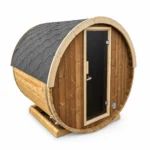
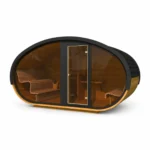
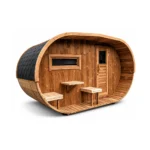
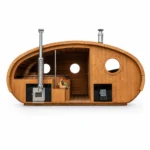
Rounded and oval shells range from compact vertical rooms to larger glazed and terrace formats. Compare clear bench length, headroom, door position and the delivered footprint of the selected length.
-
Classic barrel
 TimberIN Nordic Barrel™ ClassicFrom: £4,106
 -
Square barrelTimberIN Nordic Square Barrel™From: £6,056
-
Space-savingTimberIN Nordic Vertical™From: £4,127
-
2-person electricTimberIN Nordic Terrace™ 160 ElectricFrom: £5,192
-
Panoramic glazingTimberIN Nordic Hobbiton™ GlassFrom: £7,348
-
Terrace modelTimberIN Nordic Oval™ TerraceFrom: £7,590
-
Panorama for 4TimberIN Nordic Barrel Panorama™£8,085
Pod, cabin and contemporary garden saunas
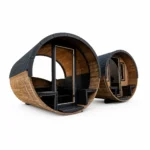
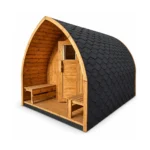
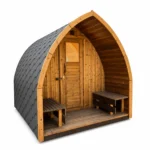
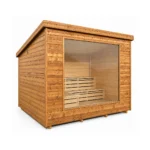
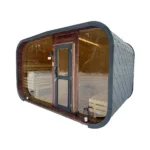
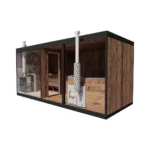
Pods and straight-walled cabins use the garden footprint differently. Choose between porch space, upright walls, panoramic glazing and flexible benches from the actual plan rather than the exterior photograph.
-
Custom podTimberIN Nordic Pod™ CustomFrom: £4,327
-
Product on saleSave up to 19%TimberIN Nordic Pod™ PorchFrom: £5,957From: £5,006 -
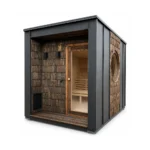
TimberIN Nordic Vista™From: £6,808
-
Panoramic designTimberIN Nordic Horizon™£9,350
-
Oculus designTimberIN Nordic Oculus™£11,990
Mobile sauna models
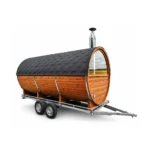
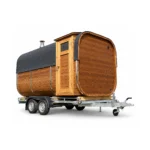
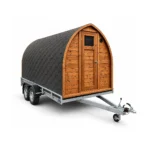
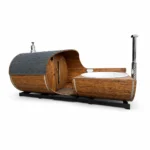
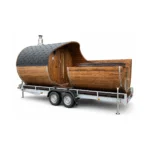
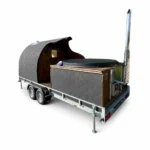
Trailer-mounted saunas add payload, towing, stabilisation and operating-location decisions to the sauna specification. Confirm the complete road and setup responsibility before selecting the room.
-
TimberIN Nordic Nomad™ Mobile Barrel SaunaFrom: £4,106
-
TimberIN Nordic Square Mobile Sauna™From: £6,056
-
TimberIN Nordic Mobile Sauna Pod™From: £4,327
Sauna and hot-tub combinations
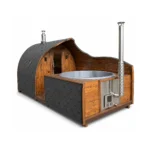
Combination models coordinate a sauna room with a hot tub or wider spa layout. Compare the two heating systems, water services, changing space, delivery form and service access as one complete project.
-
TimberIN Nordic Sauna & Hot Tub Combo Hobbiton™£14,033
-
TimberIN Nordic Barrel Duo™From: £11,110
-
Modular spaTimberIN Nordic Modular Spa™From: £4,620
-
TimberIN Nordic Pod Duo™From: £11,110
-
Mobile 2-in-1TimberIN Nordic Mobile Barrel Sauna & Hot Tub Combo™£15,510
-
Mobile 2-in-1TimberIN Nordic Mobile Sauna Pod & Hot Tub Combo™£15,510
Start with the way you will use the sauna
A couple who want quiet evening sessions need a different room from a holiday-let operator expecting changing groups of guests. Published capacities are useful for comparison, but they describe possible seating rather than guaranteed comfort. Bench length, backrest position, heater clearances and the size of the users determine how the room actually feels.
- Usual group size: size the sauna for the people who will use it most weeks, not for the largest gathering imaginable.
- Sitting or reclining: if lying down matters, ask for the clear usable bench length rather than relying on an external diameter.
- Private or guest use: rentals and commercial projects need simpler controls, robust surfaces and documented cleaning and inspection routines.
- Heating routine: decide whether push-button convenience or tending a wood fire suits the way the sauna will be used.
- Changing and cooling: allow a safe route, lighting and somewhere to leave towels and footwear; a porch or changing room may be more valuable than extra glass.
For a genuinely compact project, see the one- and two-person outdoor sauna guide. Families and guest accommodation should compare the internal layouts shown on the family sauna page, not simply choose the model with the largest capacity label.
Which outdoor sauna shape suits your garden?
Shape influences usable space, delivery and appearance, but it does not determine quality on its own. A carefully specified barrel sauna can be a better purchase than an oversized cabin, while a cabin may be the sensible choice where straight walls, flexible benches or a changing area are priorities.
| Sauna style | Often works well for | Check before choosing |
|---|---|---|
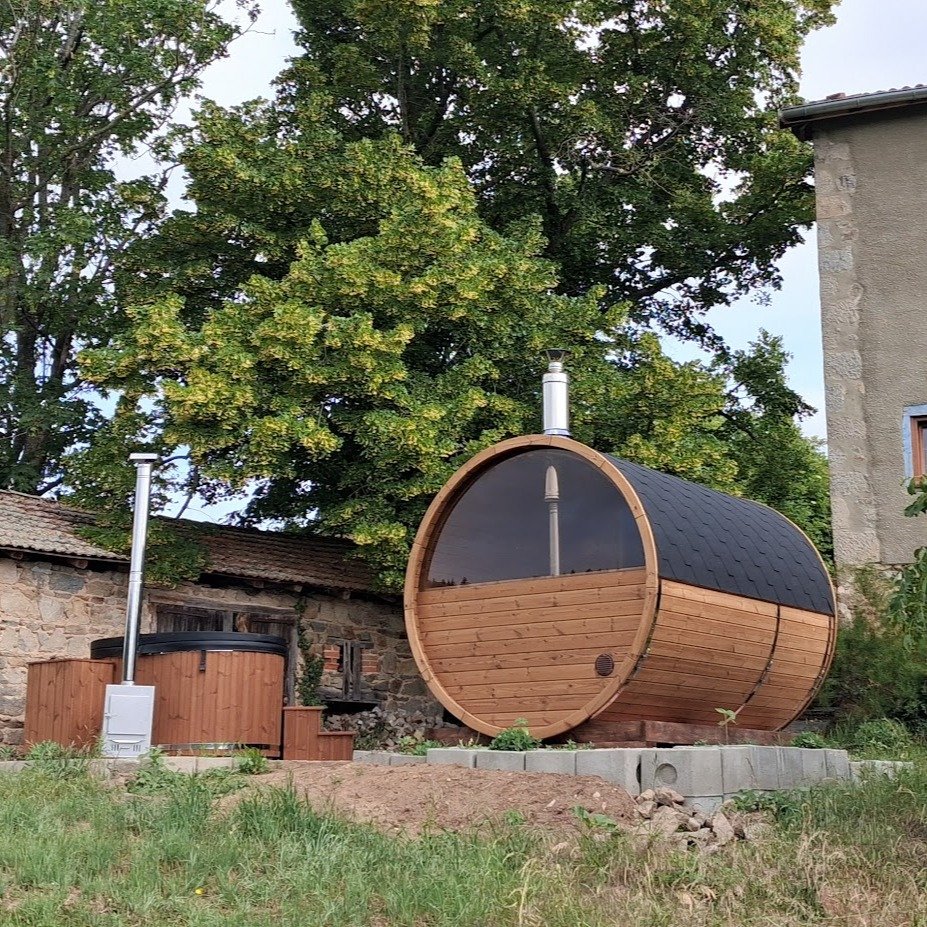
| Barrel sauna | Compact gardens and buyers who like a traditional rounded form | Bench length, headroom near the curved walls, roof covering and assembled delivery access |
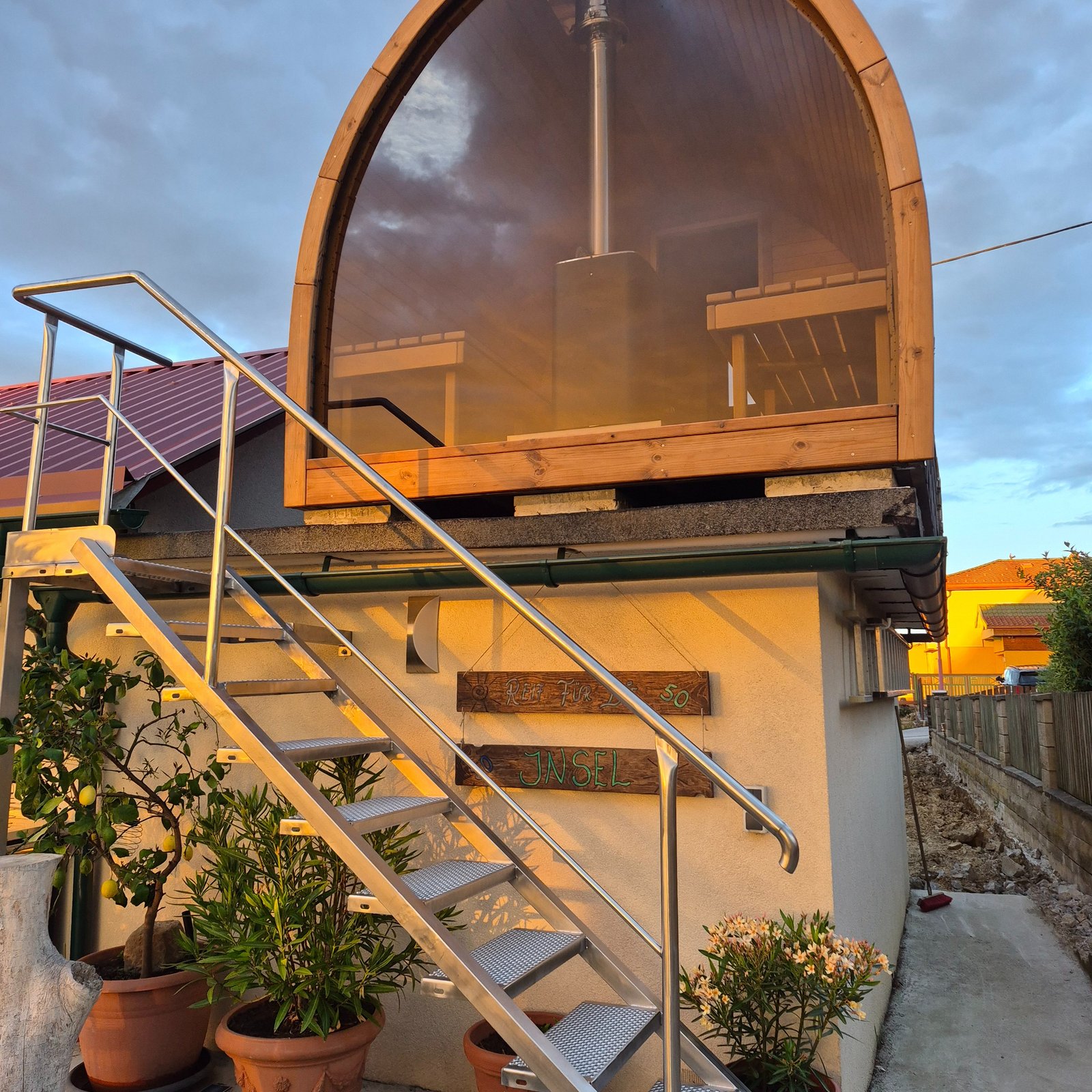
| Pod or igloo sauna | A rounded profile with more upright usable space than a simple barrel | Porch depth, glazing, internal floor area and support points |
| Cube or panoramic sauna | Modern gardens and projects where the view is part of the experience | Heat loss through glazing, privacy, cleaning and heater sizing |
| Cabin or Finnish-style sauna | Flexible benches, larger groups and optional changing space | Overall footprint, roof drainage, transport sections and final assembly |
| Mobile sauna | Events, rentals and users who need the sauna to travel | Trailer specification, towing rules, weight, restraint, insurance and commercial operating procedures |
Ask for both external and internal dimensions. External measurements tell you whether the sauna fits the site; internal measurements reveal whether the benches, heater and circulation space fit the people.
Electric or wood-fired heating?
Both systems can provide a proper hot sauna. The difference is mainly in installation and routine. Electric heaters are convenient once a suitable supply, controls and sensor positions have been professionally planned. Wood-fired heaters suit buyers who enjoy lighting and managing a fire and have space for a safe flue route, dry fuel and ash handling.
| Decision | Electric heater | Wood-fired heater |
|---|---|---|
| Daily use | Simple controls and repeatable operation | More hands-on; the fire is part of the session |
| Property requirements | Suitable electrical capacity and qualified installation | Safe stove position, chimney route, clearances and fuel storage |
| Best suited to | Frequent home use and managed guest operation | Traditional use, rural settings and suitable off-grid projects |
| Main planning risk | Choosing the heater before the supply and room volume are checked | Underestimating flue, boundary, smoke and supervision requirements |
The heater must be selected for the effective heated volume, not floor area alone. Large glazed surfaces and uninsulated materials can increase the load. Final heater output, electrical requirements, controls, clearances and chimney components should therefore be confirmed against the exact sauna configuration. Read the dedicated guides to electric outdoor saunas and wood-fired outdoor saunas for a deeper comparison.
Benches, glazing and the comfort of the room
Sauna heat rises, so the relationship between the upper bench, lower bench and heater matters. A tall exterior with low seating may look spacious but leave bathers below the most useful heat. Ask how high the upper bench sits, whether users can place their feet comfortably, and how much clear space remains once the heater guard and door swing are included.
Glazing changes the character of the room. A window or glass door can make a small sauna feel open; a panoramic wall can turn a view into the focal point. More glass also affects privacy, heat demand and cleaning. It should be chosen for the site rather than added automatically. In an exposed garden, roof details, door orientation and an entrance canopy may improve everyday use more than another glazed panel.
Foundation, drainage and delivery access
The sauna needs a level, stable and well-drained base that supports the points shown on its drawing. The appropriate solution may be a concrete slab, engineered deck, suitable paving or another prepared foundation, depending on the model and site. Timber should not sit in standing water or directly against soil.
- Confirm finished dimensions, support points and weight before constructing the base.
- Plan rainwater run-off and keep the lower structure clear of wet ground and vegetation.
- Measure the complete route from the road to the base, including gates, corners, slopes, branches and overhead cables.
- Agree whether the sauna arrives assembled, in modules or as a kit for site assembly.
- Confirm who provides unloading, lifting, final positioning, assembly and packaging removal.
- Leave practical access for future roof, heater, chimney and timber maintenance.
Restricted access does not necessarily rule out an outdoor sauna, but it may change the construction method. Discuss this before production rather than after a completed building reaches the property.
Planning the complete project cost
The advertised sauna price is only one part of the project. A useful quotation identifies the exact room, timber and glazing specification; benches and door; heater, stones, controls or chimney set; roof finish; transport; unloading; assembly; and any options. The buyer can then add local work such as the base, electrical connection, flue installation, path, lighting or landscaping.
That is why two similar-looking saunas can have different final costs. One may include a heater and arrive assembled; another may exclude electrical work, lifting or roof covering. Compare written scopes rather than headline prices. Our outdoor sauna prices guide explains the main cost drivers without pretending that one figure fits every garden.
UK weather, ventilation and maintenance
An exterior sauna is repeatedly heated inside while exposed to changing weather outside. Good ownership therefore involves more than treating the visible timber. Keep roof coverings and flashings sound, maintain water run-off, allow the room to dry after use and keep ventilation openings clear. Clean benches with products suitable for sauna interiors and follow the heater manufacturer’s inspection instructions.
Exterior finishes weather differently according to timber, exposure and maintenance. No responsible manufacturer should describe an outdoor timber building as maintenance-free. A sheltered site with good drainage may age very differently from an exposed coastal or high-rainfall position. Agree the intended finish and maintenance routine before ordering.
Planning permission and professional installation
Many domestic garden projects are straightforward, but the answer depends on the actual property and proposal. Height, position near a boundary, raised platforms, listed status, local restrictions, commercial use, chimneys and associated buildings can all affect what is required. Check before placing an order if any of these apply; the outdoor sauna planning guide provides a useful starting checklist.
Permanent electrical work should be designed and completed by a suitably qualified professional. A wood-burning installation needs competent stove and flue planning, including clearances, shielding and local conditions. The sauna quotation and product instructions do not replace site-specific professional advice.
How to request a useful quotation
A short description of the real project is more useful than a long options list. Tell us the normal number of users, preferred heating method, postcode, available base area and access limitations. Photographs or a simple route sketch can clarify gates, corners and lifting restrictions. If a particular view, porch, changing room or bench arrangement matters, say so at the beginning.
- Normal and occasional group size
- Preferred sauna style or the models being compared
- Electric or wood-fired heating preference
- Available external footprint and desired bench use
- Delivery postcode and road-to-base access
- State of the foundation and target installation period
- Required glazing, porch, changing room or other practical options
TimberIN can then prepare a configuration and quotation that identifies what is included and what remains the buyer’s responsibility. For a concise catalogue route, visit outdoor saunas for sale; for a project discussion, use the contact button below.
Outdoor sauna FAQs
What size outdoor sauna should I buy?
Choose for the number of people who will use it normally and the way they want to sit or recline. Check internal bench dimensions and heater clearances, not only the advertised capacity or exterior footprint.
Is an electric or wood-fired outdoor sauna better?
Neither is universally better. Electric heating offers convenient controls where the property has a suitable supply. Wood-fired heating provides a traditional hands-on routine but needs a safe chimney, fuel storage and more active supervision.
Does an outdoor sauna need a concrete base?
It needs a stable, level and drained foundation, but that is not always a concrete slab. The correct solution depends on the sauna’s support points, weight and site. Confirm the technical drawing before building the base.
Can a sauna be delivered through a narrow garden?
Often, yes, if a modular or site-assembly version is available. Measure the full route and discuss restrictions before production. An assembled sauna requires suitable vehicle access, unloading space and sometimes lifting equipment.
How much maintenance does an exterior sauna require?
Maintenance varies with timber, finish and exposure. Expect to inspect the roof and drainage, keep ventilation clear, clean and dry the interior, maintain the exterior as specified and service the heater or chimney according to its instructions.
Plan the sauna around your garden and routine
Share the users, preferred heater, available space and delivery access. We will help you compare suitable TimberIN models and prepare a quotation for the chosen configuration.